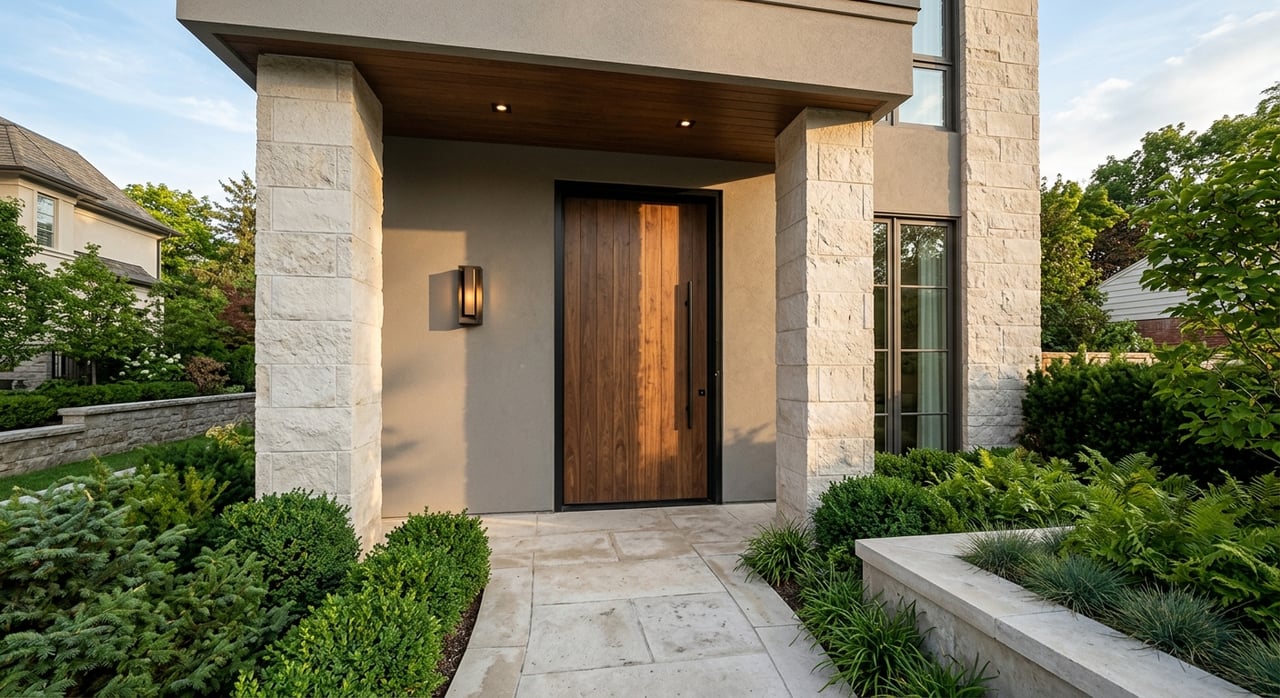
Wondering if you can keep your Memorial address without keeping all the upkeep that comes with a traditional home? If you love the area but feel less excited about yard work, exterior maintenance, or managing a larger property, lock-and-leave living may be worth a closer look. In Memorial, this style of ownership can offer a more streamlined way to live while staying close to the places you already enjoy. Let’s dive in.
What lock-and-leave means
In Memorial, lock-and-leave is best understood as a low-maintenance lifestyle rather than a formal property type. It usually refers to homes in association-managed communities where some exterior work, landscaping, and shared-area upkeep are handled through an HOA or similar structure.
That does not mean you have zero responsibilities as an owner. According to the National Association of Realtors' overview of HOAs, owners still have obligations, and association rules, fees, and maintenance coverage can vary widely from one community to another.
For condos, Texas law treats ownership as a combination of an individual unit plus shared common elements. That matters because what you maintain personally versus what the association maintains is not always the same from one property to the next.
Why Memorial fits this lifestyle
Memorial offers a practical setting for homeowners who want convenience without leaving a well-established part of Houston. The City of Houston's Memorial area overview places the neighborhood between Buffalo Bayou and I-10 and notes its mix of residential areas, business centers, and retail destinations.
That location matters if you want daily convenience. Development along I-10 includes the Energy Corridor, while nearby shopping and dining options include CityCentre, Town & Country, Memorial City, and related mixed-use destinations.
The same city source also describes Memorial City as a 300-acre mixed-use district with more than 10 million square feet of developed real estate, including residences, dining, retail, hotels, and medical facilities. For many homeowners, that blend supports the appeal of staying local while reducing the amount of home maintenance on your plate.
What lock-and-leave looks like in Memorial
The Memorial area does not offer just one version of this lifestyle. Instead, you will typically see it show up in townhome, condo, and association-managed community formats with different levels of service, privacy, and upkeep.
Memorial Green
Memorial Green is one of the clearest Memorial-area examples of lock-and-leave positioning. Midway describes it as a gated, walkable community centered on a central park, with access to dining, shops, boutique offices, medical facilities, beauty services, and fitness options.
The homes are described as two-, three-, and four-story residences with smart-home technology, energy-efficient features, and extensive green space. For homeowners who want a more streamlined setup with a newer-community feel, this is a useful local model of what lock-and-leave can mean.
Memorial Club Townhouses
Memorial Club Townhouses represents a more established west Houston townhome format. Its official site describes a community from the early 1970s with 757 townhomes on 65 acres, mature trees, onsite staff, a clubhouse, three pools, nine tennis courts, playgrounds, a volleyball court, and substantial greenspace.
This kind of setup shows why some buyers are drawn to HOA-backed ownership. As the NAR explains, amenities such as pools, parks, gated entries, and similar shared features can add appeal when they are present and well maintained.
Service-heavy condo living
At the more service-oriented end of the market, Memorial also has condo-style options that may include features like concierge service, controlled access, garage parking, and shared amenities. These properties can offer an even stronger lock-and-leave feel, especially for owners who travel often or want a more managed day-to-day environment.
Still, the core question stays the same: what exactly is covered, and what remains your responsibility? That answer should always come from the governing documents, not just the marketing language.
Who lock-and-leave living suits best
This lifestyle tends to make the most sense if you want to simplify ownership without leaving Memorial. In practice, it often appeals to homeowners who value convenience, predictable exterior upkeep, and easier travel.
You may be a strong fit if you are:
- Downsizing from a larger home
- Traveling often for work or leisure
- Looking for less yard work and exterior maintenance
- Wanting to stay close to Memorial amenities and daily conveniences
- Preferring a more managed property environment
For some owners, the biggest benefit is simply peace of mind. If you like the idea of closing the door and being away for stretches of time without worrying as much about routine exterior upkeep, lock-and-leave can be a practical solution.
When it may not be the right fit
Low-maintenance living is not automatically low-commitment living. In exchange for less hands-on upkeep, you are usually agreeing to ongoing dues, community rules, and shared decision-making.
This may be a weaker fit if you want:
- A large private yard
- Fewer association rules
- Full control over exterior changes
- No monthly or recurring HOA costs
- More separation from shared amenities or common areas
That does not make one option better than another. It simply means the right choice depends on how you want to live and what trade-offs you are comfortable making.
Costs and trade-offs to understand
The most obvious trade-off is cost. The National Association of Realtors notes that HOA fees often help pay for landscaping, routine maintenance, and shared amenities, but those fees are mandatory for owners in the association.
Costs can also change over time. The same source notes that special assessments may be charged if reserves are not enough to cover major repairs or emergency projects.
That is why monthly dues should never be the only number you review. You also want to understand the association's financial health, reserve funding, and whether the property has a track record of handling maintenance proactively.
What to review before you buy
If you are considering a lock-and-leave home in Memorial, due diligence matters as much as the floor plan or location. Marketing can highlight convenience, but the documents explain the actual ownership experience.
The Texas Real Estate Commission HOA guidance notes that Texas does not have a state agency that regulates HOAs. For buyers, that makes document review especially important.
Before you move forward, review:
- The management certificate
- HOA financial statements
- Reserve fund adequacy
- Rules and restrictions
- Maintenance responsibilities
- For condos, the condominium resale certificate
A simple question can reveal a lot: What exactly does the association maintain? In many communities, the answer includes landscaping, routine upkeep, and common areas, but coverage can differ significantly by property.
Insurance details matter too
If you are looking at a condo or condo-style property, insurance deserves special attention. The Insurance Information Institute explanation of condo insurance is summarized in the research as a reminder that the association's master policy may cover the building and common areas, while you may still need your own coverage for belongings and other items not included under that policy.
That means you should not assume the HOA covers everything simply because the property is marketed as lock-and-leave. Clarifying that detail before closing can help you avoid surprises later.
How to decide if it fits your goals
The best way to evaluate lock-and-leave living is to compare your current lifestyle with the realities of association-managed ownership. If your priority is reducing maintenance, simplifying travel, and staying in a convenient Memorial location, the model may align well with your needs.
If your priority is outdoor space, broad freedom to modify the exterior, or avoiding shared costs, a traditional single-family setup may still be the better match. The key is to focus less on the label and more on the actual day-to-day experience each property offers.
For Memorial homeowners, that usually means looking closely at the balance between convenience, privacy, services, and ongoing costs. The right fit is the one that supports how you want to live now, not just what sounds appealing in a listing description.
If you are weighing a move from a traditional home into a townhome, condo, or other low-maintenance property, Nicole Calderon can help you compare options with a clear, consultative lens and a strong understanding of Houston's vertical and lock-and-leave market.
FAQs
What does lock-and-leave living mean in Memorial real estate?
- In Memorial, lock-and-leave usually refers to low-maintenance, association-managed living where some exterior upkeep, landscaping, and common-area maintenance are handled through an HOA or condo structure.
Are HOA fees required in Memorial lock-and-leave communities?
- Yes. According to NAR, HOA dues are mandatory for all homeowners in the association, even if you do not use the amenities.
Can HOA costs increase in Memorial townhome or condo communities?
- Yes. HOA fees can change, and special assessments may be charged when reserve funds are not enough for major repairs or projects.
What should buyers review before purchasing a Memorial lock-and-leave home?
- Buyers should review the management certificate, HOA financials, reserve fund adequacy, community rules, maintenance obligations, and for condos, the condominium resale certificate.
Does condo insurance work differently in Memorial lock-and-leave properties?
- Yes. In many condo settings, the association's master policy may cover the building and common areas, while you may still need separate coverage for personal belongings and items not covered by the master policy.
Is lock-and-leave living a good fit for Memorial homeowners who travel often?
- It can be. This lifestyle often appeals to frequent travelers, downsizers, and homeowners who want to stay in Memorial while reducing yard work and exterior maintenance.