If your workday starts early, ends late, and can change by the hour, where you live near the Texas Medical Center matters more than you might think. You need a neighborhood that fits your schedule, your housing preferences, and the way you actually want to spend your off-hours. If you are weighing West University against the Museum District, this guide will help you compare commute style, housing options, daily rhythm, and market context so you can choose with more clarity. Let’s dive in.
Why this comparison matters
For medical center professionals, the best neighborhood is not always the one that is closest on a map. In many cases, the better fit comes down to how you want to move through your week, how much home maintenance you want, and whether you prefer a quieter residential setting or a more active urban environment.
West University Place and the Museum District both offer strong access to central Houston and the Texas Medical Center. Still, they tend to serve different priorities. One leans more residential and detached-home oriented, while the other offers more transit access and a wider mix of lock-and-leave housing.
West University at a glance
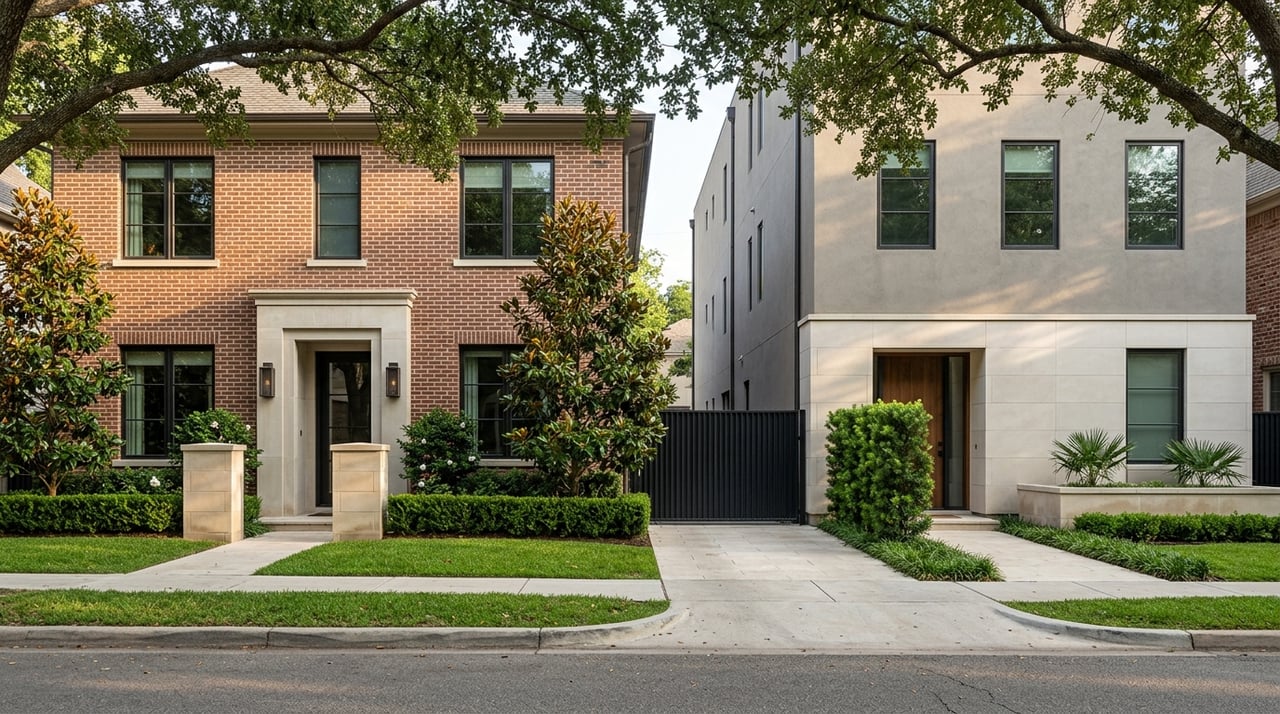
West University Place describes itself as a small town with a big heart. The city highlights tree-lined streets, well-maintained homes, an expansive park system, and convenient access to downtown Houston and the Texas Medical Center.
That identity shapes the feel of the area. If you are looking for a polished residential setting with a more settled pace, West University often stands out for that reason.
What the neighborhood feels like
West University reads as the quieter option in this comparison. Official city materials emphasize its small-town atmosphere, parks, and residential character, while nearby Rice Village adds shopping, dining, and local errands within easy reach.
For a busy clinician or medical professional, that can translate into a home base that feels removed from the pace of the hospital corridor. The overall impression is more neighborhood-focused than destination-driven.
What housing looks like in West University
West University remains overwhelmingly single-family in character. The city’s comprehensive plan states that 94.5% of dwellings are single-family detached, and it specifically supports preserving that traditional residential pattern.
Current HAR listing data supports that profile. Active inventory is relatively limited and is made up mostly of detached homes, with only a small number of townhouse or condo-style options.
Museum District at a glance
The Museum District presents a different lifestyle. Visit Houston describes it as a tree-lined, walkable neighborhood anchored by Hermann Park, the Houston Zoo, and 19 museums, while the City of Houston places Hermann Park at the center of a major cultural and recreational corridor near the Texas Medical Center and Rice University.
That creates a more urban experience. If you want your neighborhood to offer built-in activity, cultural destinations, and more flexibility in how you get around, the Museum District may feel like a more natural fit.
What the neighborhood feels like
The Museum District has a more active, destination-oriented rhythm. It is shaped by museums, park access, rail service, and the steady movement that comes with a central Houston cultural district.
For medical center professionals, that often means more options after work and on weekends without needing to go far. It also means a setting that can feel busier and more urban than West University.
What housing looks like in the Museum District
The Museum District offers a broader range of housing types. HAR inventory includes single-family homes, townhomes, condominiums, and mid-rise or high-rise options.
That variety matters if you want flexibility. Compared with West University, the Museum District is the more natural choice for buyers seeking lower-maintenance living, condo inventory, or a more lock-and-leave lifestyle.
Commute fit for Texas Medical Center schedules
For many medical professionals, commute style matters just as much as commute distance. A neighborhood that works well for a 9-to-5 routine may feel very different for someone managing rounds, call schedules, or irregular hours.
This is where the Museum District has a clear structural advantage in public transit access. West University, by contrast, appears to support a more drive-first routine based on neighborhood descriptions and METRO rail coverage.
Museum District transit access
METRO’s Red Line serves Museum District, Hermann Park/Rice U, Memorial Hermann Hospital/Houston Zoo, Dryden/TMC, and TMC Transit Center stops. On weekdays, the Red Line runs every 6 minutes, and on weekends it runs every 12 minutes.
METRO travel-time data places Museum District at 35 minutes from Northline, Dryden/TMC at 41 minutes, and TMC Transit Center at 43 minutes. In practical terms, that places the Museum District about a 6- to 8-minute rail ride from core Texas Medical Center stops once you are on the line.
West University commute style
West University’s official materials emphasize proximity to the Texas Medical Center, but not rail service. Combined with its location between Highway 59 and the 610 Loop, the area reads as more car-oriented in day-to-day use.
That does not make it less convenient for every buyer. It simply means the routine may be a better fit for someone who expects to drive and wants a more residential home environment once the workday ends.
Housing choice and maintenance tradeoffs
This may be the biggest decision point for many buyers. If your schedule is demanding, the right home is often the one that supports your time and energy, not just your address.
West University and the Museum District offer different answers to that question. One is more aligned with detached-home living, and the other is better aligned with streamlined, lower-maintenance options.
Choose West University if you want more home presence
West University tends to appeal to buyers who want the feel of a traditional residential neighborhood. Detached homes dominate the housing stock, and the city’s long-term planning reinforces that identity.
If you want more space, a more established neighborhood setting, and a home that feels like a stable retreat from demanding work, West University may check those boxes more naturally.
Choose Museum District if you want lock-and-leave ease
The Museum District stands out if convenience and flexibility are higher priorities. With more condos, townhomes, and mid-rise or high-rise options in the market, it offers a housing mix that can better support low-maintenance ownership.
That can be especially appealing if you travel, work irregular hours, or simply do not want the upkeep that often comes with a detached home. For buyers who value vertical living, this neighborhood aligns more closely with that lifestyle.
Market conditions to know
Current HAR market updates also show a meaningful difference in pace and pricing, though the geographic boundaries are not identical and should be treated as directional rather than exact side-by-side comparisons.
In the West University/Southside Area, HAR reports a seller’s market with 2.1 months of inventory, 23.8 average days on market, and a median sold price of $2,005,152. In the Rice/Museum District market area, HAR reports a balanced market with 5.0 months of inventory, 33.1 average days on market, and a median sold price of $1,408,148.
What that means for you
West University may feel more competitive based on current inventory and absorption trends. The Museum District may offer somewhat more breathing room in selection and decision-making, especially given its broader housing mix.
For a relocating buyer, this is useful context. Your search may move faster in West University, while the Museum District may provide more options if your goal is to compare condos, townhomes, and different ownership styles.
Daily lifestyle: quiet base or urban energy
Beyond housing and commute, daily rhythm matters. Where you live should support how you recover, recharge, and manage time outside of work.
This is one of the clearest differences between these two areas. Each has strong appeal, but the experience of living there is not the same.
West University lifestyle rhythm
West University is better suited to buyers who want a quieter, more residential routine. The city emphasizes parks, recreation amenities, and a neighborhood-centered environment, while Rice Village adds nearby shopping and dining.
If you prefer your home life to feel calm and settled, this can be a strong advantage. The area tends to offer a more traditional residential cadence.
Museum District lifestyle rhythm
The Museum District is better suited to buyers who enjoy a more active urban setting. With Hermann Park, museums, rail access, and nearby cultural destinations, the area has more built-in movement and visitor activity.
If you like walkability, after-work options, and a neighborhood that feels connected to central Houston’s cultural core, the Museum District may be the stronger match.
Which neighborhood fits your work life best
If you are deciding between these two neighborhoods, the right answer usually comes down to your routine and your preferred housing style.
West University may be the better fit if you prioritize detached-home living, a more residential atmosphere, and a quieter home base near the medical center. The Museum District may be the better fit if you want Red Line access, a broader selection of condos and townhomes, and a more walkable, low-maintenance lifestyle.
For many medical center professionals, the core tradeoff is simple: more space and a quieter residential setting in West University, or more transit convenience and lock-and-leave flexibility in the Museum District. If you want tailored guidance on which option aligns best with your schedule and goals, Nicole Calderon offers a discreet, consultative approach for central Houston buyers.
FAQs
Which neighborhood is better for Texas Medical Center commuters, West University or Museum District?
- The Museum District has the clearer transit advantage because METRO’s Red Line serves several stops connected to the Texas Medical Center, while West University appears to function more as a drive-first neighborhood.
Which neighborhood has more condo options, West University or Museum District?
- The Museum District has a broader mix of condos, townhomes, and mid-rise or high-rise residences, while West University is dominated by single-family detached homes.
Which neighborhood feels quieter, West University or Museum District?
- West University generally reads as the quieter and more residential option based on its official community profile, park system, and detached-home character.
Which neighborhood offers more lock-and-leave living near the Medical Center?
- The Museum District is the more natural fit for lock-and-leave living because current inventory includes more condominiums and townhome-style options.
How do West University and Museum District prices compare?
- HAR market updates show a median sold price of $2,005,152 for the West University/Southside Area and $1,408,148 for the Rice/Museum District market area, though these figures should be treated as directional because the market boundaries are not identical.
Is West University or Museum District better for relocating medical professionals?
- It depends on your priorities: West University may suit you better if you want a quieter residential base and detached-home living, while the Museum District may suit you better if you want transit access, walkability, and lower-maintenance housing.