Are you looking at a Galleria high-rise and wondering why the HOA dues seem high? You are not alone. In Uptown Houston, luxury towers come with complex systems, staffed services, and amenities that all add up. In this guide, you will learn exactly what those dues typically cover, why costs vary from building to building, and how to compare towers with confidence. Let’s dive in.
What your HOA dues cover
Your monthly dues fund the building’s daily operations and long-term upkeep. While every association is different, most Galleria high-rises include the following line items.
Staffing and payroll
Many luxury towers staff a 24/7 front desk, valet, building engineers, janitorial teams, and security. Dues cover salaries, benefits, training, and overtime. Service-rich buildings often carry larger payrolls, which is a key reason their dues run higher.
Buyer focus:
- Ask if roles are on payroll or provided by third-party vendors.
- Confirm any long-term labor contracts and recent wage changes.
Building operations and maintenance
This includes elevator service, HVAC or chiller maintenance, plumbing, pest control, cleaning, and landscaping. High-rises often have multiple elevator cabs, central plants, and complex life-safety systems that require specialized maintenance.
Buyer focus:
- Ask about elevator modernization timelines.
- Check the age and service history of chillers and major systems.
Utilities
Dues typically cover common-area electricity, water, gas, and exterior lighting. Some buildings also include bulk internet or cable and may master-meter certain in‑unit utilities like water or even electricity for HVAC.
Buyer focus:
- Clarify exactly which utilities are included.
- Confirm whether internet or cable is bulk-billed and if opt-outs are allowed.
Property and liability insurance (master policy)
The association’s policy insures the structure and common elements. Details vary, including coverage type and deductible. Large deductibles can mean a special assessment after a major claim. You will still need your own HO‑6 policy for interiors and belongings.
Buyer focus:
- Request the declarations page, policy limits, and deductible.
- Ask about loss history and umbrella coverage.
Reserves and capital replacement
Reserves fund major projects like elevator modernization, façade work, garage repairs, and chiller replacement. In high-rises, these items are costly and long term. Healthy reserves can reduce the risk of future special assessments.
Buyer focus:
- Review the latest reserve study and percent funded.
- Ask what large projects are planned over the next 5 to 10 years.
Amenities and their operating costs
Pools, fitness centers, lounges, rooftop decks, and meeting rooms come with utility usage, cleaning, and equipment replacement. Specialty equipment and safety codes increase ongoing costs.
Buyer focus:
- Confirm amenity hours, access rules, and replacement schedules.
- Ask whether any amenity produces revenue that offsets costs.
Parking and garage maintenance
Underground or structured parking needs lighting, ventilation, gate systems, cleaning, inspections, and concrete restoration. In Uptown towers, garage work can be one of the heavier capital items.
Buyer focus:
- Confirm if spaces are deeded or assigned and who insures the garage structure.
- Ask about pending restoration projects.
Administrative costs
Management fees, accounting and audit work, legal expenses, board costs, software, and postage live here. The management contract and reporting standards shape quality and cost control.
Buyer focus:
- Request the management agreement and reporting frequency.
- Ask about any ongoing legal disputes.
Taxes and required services
Some associations pay taxes on common or association-owned property and certain required services. Individual unit property taxes are billed to owners separately.
Contingency and miscellaneous items
Budgets often include small contingencies for unexpected needs and note any revenue offsets like space rentals. Look for clarity and transparency in these lines.
Why some towers cost more than others
- Service level and staffing intensity. Valet, doormen, and 24-hour concierge increase payroll and vendor costs.
- Age and condition. Older buildings may have higher maintenance needs and more frequent capital projects.
- Systems complexity. Central plants, multiple elevator banks, and life-safety systems increase both operating and reserve needs.
- Amenities and scale. Pools, large gyms, guest suites, and expansive common areas add ongoing expenses.
- Reserve strategy. Well-funded reserves can stabilize dues and limit surprise assessments. Low reserves can mask risk.
- Ownership mix and management. Active boards and professional on-site management can improve planning, even if costs are slightly higher.
How to compare dues across Galleria buildings
Do not compare just the monthly number. Normalize and look under the hood.
- Convert dues to dollars per interior square foot per month. This makes different unit sizes comparable.
- Alternatively, compare dues per bedroom if floorplans vary widely.
- Review what utilities and services are included. Two buildings at the same price point can deliver different value.
- Compare the budget mix: percent to reserves, staffing, and amenities. This shows long-term risk.
Quick comparison worksheet
Use this to build an apples-to-apples view for your short list.
- Monthly dues ÷ interior square feet = $/sq ft per month.
- Included utilities: list each (water, gas, electricity, internet, cable).
- Key systems exposure: elevator modernization, chiller age, garage condition, façade needs.
- Reserve health: reserve balance per unit, percent funded, next 5–10 year projects.
- Master insurance: deductible amount and coverage type.
- Assessments: any in the last 5 years and any planned.
- Delinquency rate and owner-occupancy ratio.
- Operating expense trend over the last 3 years.
Due-diligence checklist: what to request
Ask the seller, listing agent, or HOA for these documents and compare similar lines across buildings.
- Current year operating budget and the last 2–3 years actuals.
- Most recent reserve study, reserve balance, and funding plan.
- Last 2–3 years of financial statements and current bank reconciliation.
- Master insurance declarations page and policy copy.
- Board meeting minutes for the last 12–24 months.
- Management agreement and major vendor contracts (valet, security, elevator, landscaping).
- Reserve account investment policy and accounting method.
- List of pending projects, bids, and funding plans.
- Special assessment history and any planned assessments.
- Litigation disclosure and status.
- Owner-occupancy and dues delinquency rates.
- Rules and regulations, rental and resale restrictions, pet policy, and parking documents.
- Recent inspection or engineering reports for elevators, garage, and life-safety systems.
- Building age, certificates of occupancy, and major systems commissioning records.
Key questions to ask the HOA or manager
- Which utilities are included in monthly dues and which are billed separately?
- When was the last reserve study and what percent funded is the reserve today?
- What is the master insurance deductible and any major claims in the last 10 years?
- Have there been special assessments in the past 5 years or any planned soon?
- Are staffing roles unionized or under long-term third-party contracts?
- What are association vs owner maintenance responsibilities?
- How are parking spaces assigned and who pays for garage structural repairs?
- How much of the budget is fixed by contract versus variable?
- What is the owner-occupancy percentage and current delinquency rate?
- Which major vendor contracts are coming due that could change costs?
Red flags to watch
- Very low dues paired with low reserves and no capital plan.
- Large master-policy deductible or limited coverage that shifts risk to owners.
- Recent or ongoing litigation.
- High delinquency rate among owners.
- Repeated special assessments or large unplanned projects with unclear funding.
- Multiple big vendor contracts expiring without an RFP process.
Good signs of a well-run tower
- Recent, detailed reserve study with steady annual funding and clear project schedule.
- Transparent insurance disclosures with reasonable deductibles and adequate limits.
- Proactive maintenance plans for elevators, façade, garage, and HVAC plants.
- Stable staffing model with defined service levels and balanced vendor contracts.
- Clear financial reporting, independent reviews, and engaged board governance.
Local realities in Uptown Houston
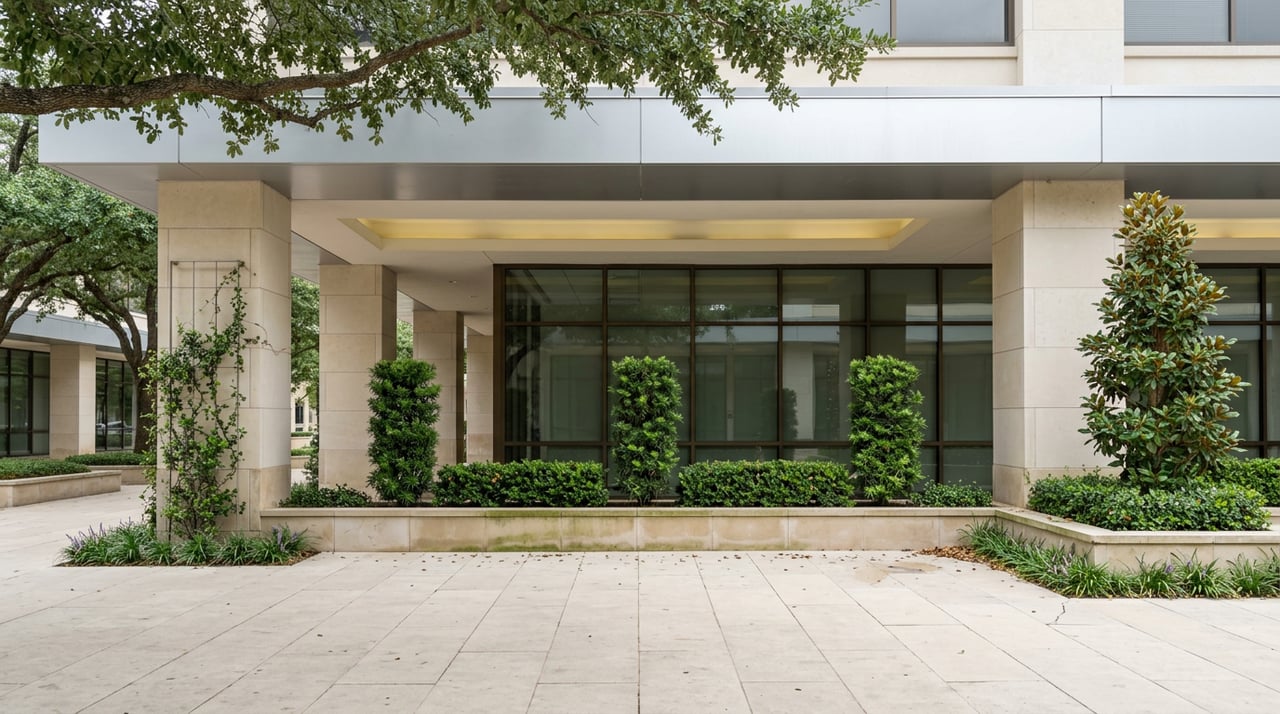
Galleria and Uptown towers often include concierge, valet, luxury amenities, and structured parking. That service level and asset complexity increase operating costs. Houston’s heat, humidity, and severe weather risk also influence HVAC loads and waterproofing needs. For towers with below-grade parking, review flood mitigation measures and insurance details. Payroll and contract costs can be higher in central Houston’s competitive labor market, which affects dues.
A smart review does not end at the monthly number. When you normalize dues, confirm inclusions, examine reserves and insurance, and check upcoming projects, you get a truer picture of cost and value. If you want a calm, expert process tailored to the Galleria market, let’s talk about your goals and short list.
Ready to compare towers with clarity? Connect with Nicole Calderon to review budgets and documents, tour amenities and mechanical spaces, and build a clean comparison. Schedule a private consultation.
FAQs
What do HOA dues typically include in Galleria high-rises?
- Most budgets cover staffing, common-area utilities, building insurance, maintenance, amenities, reserves for capital projects, garage upkeep, and administrative costs.
How are reserves different from operating funds in a condo?
- Operating funds pay day-to-day expenses, while reserves are set aside for major replacements like elevators, façade work, garage repairs, and central HVAC systems.
What insurance do I need if the building has a master policy?
- The master policy covers the structure and common areas, but you still need an HO‑6 policy for your unit interior, improvements, and personal belongings.
How can I compare HOA dues across different towers fairly?
- Convert dues to dollars per square foot per month, list included utilities, review reserve health and insurance deductibles, and note upcoming capital projects.
What are special assessments and why do they happen?
- Special assessments are one-time charges to fund major work or insurance deductibles when reserves or insurance do not cover the full cost.
How do parking arrangements affect my costs in Uptown towers?
- Structured or underground garages require ongoing lighting, ventilation, and concrete restoration; confirm if spaces are deeded or assigned and who insures the structure.
What documents should I request before I make an offer on a condo?
- Ask for the current budget, reserve study and balance, financials, insurance declarations, board minutes, vendor contracts, inspection reports, rules, and any assessment history.