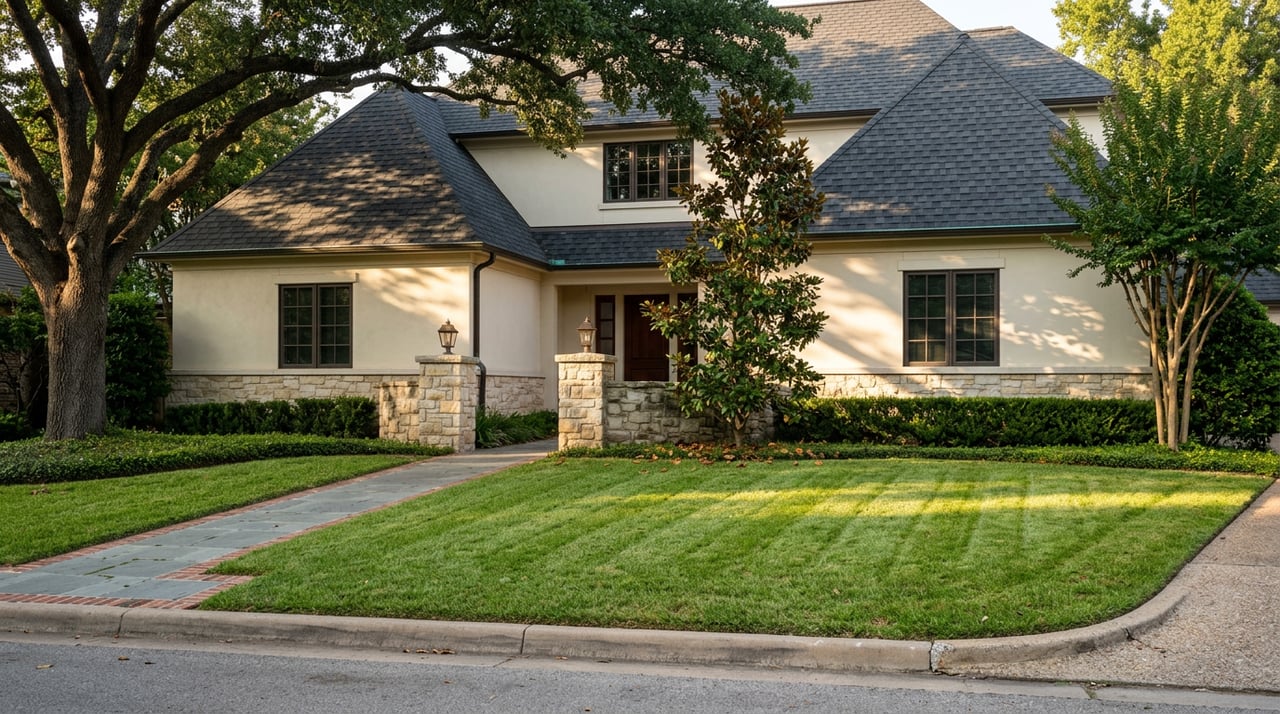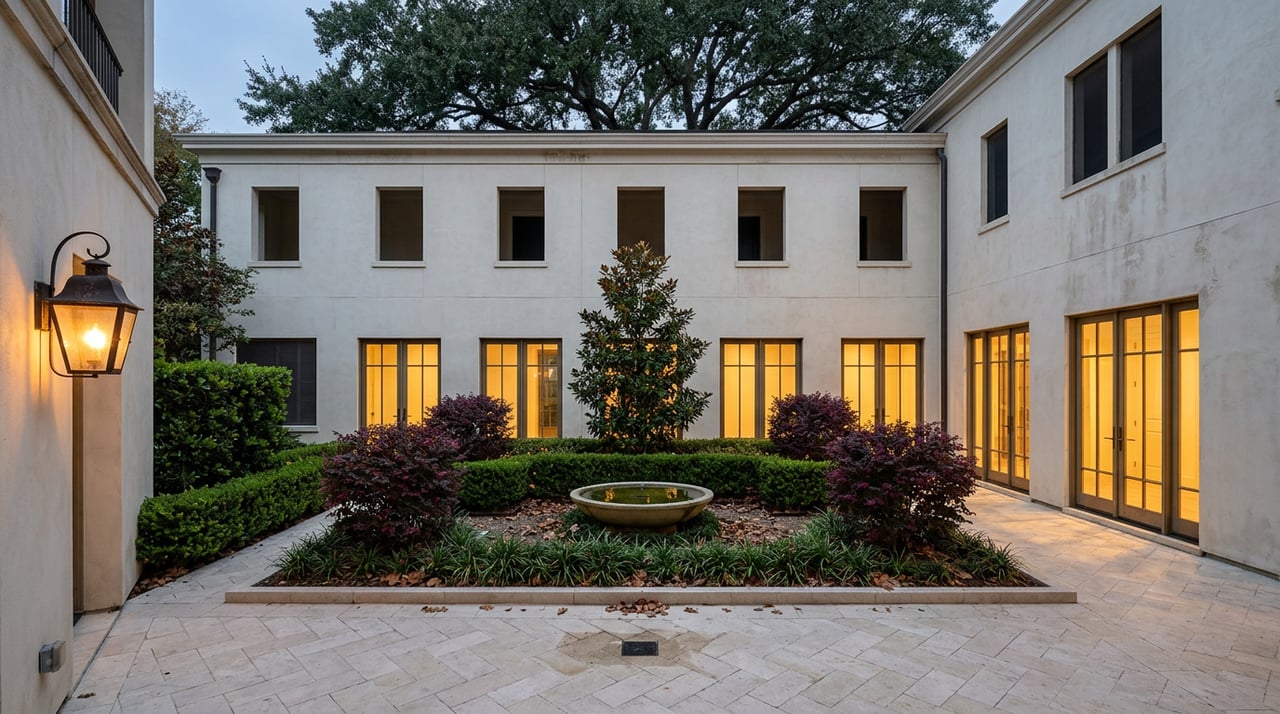
Are you starting to love Memorial more for its location than for the upkeep that comes with a large home? If you have deep roots on Houston’s west side but feel less attached to yardwork, exterior maintenance, and the day-to-day logistics of a bigger property, you are not alone. A move from a Memorial estate to a high-rise can be less about leaving a lifestyle behind and more about refining it. Here is how to think through that transition with clarity and confidence.
Why Memorial Owners Consider Vertical Living
Memorial remains one of Houston’s most established and prestigious areas, with wooded subdivisions, larger homes, and close access to major retail and office hubs like Memorial City, Town and Country, and CityCentre, according to the City of Houston. For many homeowners, that location still feels right even when the house itself starts to feel like more responsibility than benefit.
That is often the real turning point. You may still want convenience, privacy, and a polished lifestyle, but without the constant attention a larger property can require. In that sense, a high-rise or lock-and-leave home can feel like a natural next step rather than a dramatic change.
What “Lock-And-Leave” Really Means
Lock-and-leave living is often described as simpler, but the better word is different. Instead of handling lawn care, exterior repairs, and many property-related tasks on your own, you move into a structure where shared responsibilities are managed through a condominium association.
In Texas, condo associations are organized to obtain, manage, construct, and maintain condominium property, according to the Texas Comptroller. That means your ownership experience shifts from private-house management to shared-building governance. You may have less hands-on maintenance, but you also take on dues, building rules, and the possibility of assessments.
This is why a thoughtful move matters. The goal is not to assume condo living removes responsibility altogether. The goal is to decide whether the trade of private space for managed convenience fits the way you want to live now.
The Biggest Lifestyle Tradeoffs
A move from Memorial estate living to a high-rise usually changes more than your address. It changes how you use your time, how much space you maintain, and what kind of support structure surrounds your home.
Here are some of the most common shifts:
- Less exterior and yard maintenance
- Less private square footage in many cases
- More shared amenities and common spaces
- Monthly association dues as part of ownership
- Greater emphasis on building management and governance
- A more travel-friendly home base
For some homeowners, that trade feels freeing. For others, the adjustment can take time, especially if they are used to full control over every part of their property.
Questions To Ask Before You Move
The best transitions happen when you treat this as both a lifestyle and financial decision. Before making a move, it helps to ask a few practical questions.
Are You Ready To Give Up Exterior Upkeep?
This is usually the first question, and often the easiest one to answer. If yardwork, pool care, roof concerns, and general exterior maintenance feel more like a burden than a pleasure, that is a strong signal that lock-and-leave living may fit your next chapter.
Are You Comfortable With HOA Governance?
Condo ownership means living within a shared framework. That includes monthly dues, community rules, and decisions made at the association level. If you value managed convenience, this may be appealing. If you strongly prefer independent control, it deserves closer thought.
Will The Condo Be Your Principal Residence?
This matters for property tax planning in Texas. The Texas Comptroller states that a residence homestead exemption requires the property to be your principal residence, and you cannot claim another residence homestead exemption on a different property at the same time.
If the new condo will become your primary home, that can affect how exemptions apply. For qualified residence homesteads, the appraised value cannot increase by more than 10% per year, and additional exemptions may be available for owners age 65 or older or those with disabilities.
Does The Building’s Financial Picture Look Healthy?
This is one of the most important parts of the decision. Under Texas law, condo resale documentation can include regular assessment amounts, approved special assessments, reserve information, the current operating budget and balance sheet, and the association’s property and liability insurance coverage.
These details help you understand what you are really buying into. A beautiful unit in a poorly managed building can create avoidable stress, while a well-run association can support long-term value and smoother ownership.
Does The Neighborhood Match Your Daily Routine?
The right building is only part of the equation. You also want the area around it to match how you actually live, whether that means convenient dining, shopping, wellness services, business access, or an easier route to the airport.
Understanding Taxes And Carrying Costs
Moving to a condo does not remove property taxes in Texas. The Texas Comptroller notes that local governments set and collect property taxes, so your tax picture changes with the property and taxing entities involved, not by disappearing altogether.
That is why it helps to compare total carrying costs instead of focusing on one line item. In a condo, your monthly picture may include mortgage payment, property taxes, insurance for your unit and belongings, and association dues. In a single-family home, those costs may be spread out differently, but they are still there in one form or another.
For many Memorial homeowners, the better question is not whether a condo is cheaper. It is whether the total cost supports the lifestyle value you want.
Insurance Works Differently In A Condo
Insurance is another area where the ownership model changes. The Texas Department of Insurance says condo insurance usually covers the contents of your unit, including items such as appliances, furniture, fixtures, and personal belongings. It may also cover common property you are responsible for under the association’s rules.
At the same time, the building owner’s policy covers the structure itself. This creates a layered insurance picture that is important to review carefully. You want to understand where the master policy ends, what your individual policy needs to cover, and how the building defines interior responsibility.
Memorial Buyers Often Look To Uptown And River Oaks
When Memorial homeowners explore high-rise living, two central Houston areas often rise to the top: Galleria/Uptown and River Oaks. These locations offer different versions of a more urban, service-oriented lifestyle while keeping you connected to Houston’s luxury corridor.
Galleria And Uptown Lifestyle
Visit Houston describes Galleria/Uptown as Houston’s premier shopping district, with more than 700 retailers, fine dining, hotels, and a dense concentration of services within two square miles. For buyers who want convenience close at hand, that kind of daily access can make lock-and-leave living especially appealing.
This area often suits homeowners who want their home base to feel connected, active, and efficient. If your ideal week includes easy access to dining, shopping, and business corridors, Galleria/Uptown may feel like a smart fit.
River Oaks Lifestyle
River Oaks offers a different tone. Visit Houston places it between Galleria and Montrose and highlights River Oaks District as a walkable destination with luxury brands, dining, wellness, beauty, and entertainment.
For a Memorial owner, River Oaks can feel like a natural evolution of luxury living in a denser format. It tends to appeal to buyers who want a refined setting, strong service offerings, and a more urban pattern without giving up a sense of prestige and polish.
A Market With Room To Compare Options
Recent Houston market data suggests attached housing has offered buyers meaningful choice. HAR reported that in April 2026, Houston townhome and condo sales were flat year over year at 450 units, with 8.3 months of inventory. Texas A&M’s April 2025 Houston condo report showed 10.2 months of inventory and 97 days to sell.
These are not identical data sets, since one combines townhomes and condos while the other focuses on condos. Still, they point in the same general direction: buyers in the attached segment have often had more selection and a slower pace than in many single-family categories.
That can be helpful if you are moving from Memorial and want time to compare buildings, review documents carefully, and make a choice that aligns with your long-term goals.
Right-Sizing, Not Stepping Back
For many Memorial homeowners, this move is best understood as right-sizing. You are not necessarily leaving behind the things you value most. You may simply be choosing a version of luxury living that gives you more freedom, more convenience, and a home that better fits your current pace of life.
A well-chosen high-rise can keep you tied to the west-side and central Houston lifestyle you know while reducing the operational weight of a larger estate property. That is not a retreat. It is a strategic shift.
If you are considering a move from Memorial to a high-rise in River Oaks, Uptown, or the Galleria corridor, Nicole Calderon offers the vertical-market expertise, neighborhood guidance, and discreet advisory approach to help you evaluate the move with confidence.
FAQs
What does lock-and-leave living mean for Memorial homeowners?
- For Memorial homeowners, lock-and-leave living usually means trading private-home upkeep like yardwork and exterior maintenance for condo ownership with shared building management, association dues, and community rules.
What should Memorial buyers review in Texas condo documents?
- Memorial buyers should closely review regular assessments, any approved special assessments, reserve information, the operating budget, balance sheet, and the association’s property and liability insurance coverage.
Can a Houston condo qualify for a Texas homestead exemption?
- Yes, a Houston condo can qualify if it is your principal residence and you are not claiming a residence homestead exemption on another property.
How is condo insurance different from house insurance in Texas?
- In Texas, condo insurance usually covers the contents of your unit and some items you are responsible for under association rules, while the building’s master policy generally covers the structure itself.
Which Houston areas often appeal to Memorial owners seeking high-rise living?
- Memorial owners often consider Galleria/Uptown for its dense mix of shopping, dining, and services, and River Oaks for its walkable luxury retail and refined urban setting.
Is the Houston condo market giving buyers time to compare options?
- Recent Houston data suggests attached housing has had relatively higher inventory and a slower pace than many single-family segments, which can give buyers more room to evaluate buildings and documents carefully.