Choosing a condo in Houston’s Museum District is not just about square footage. In a neighborhood shaped by museums, parks, rail access, and urban convenience, the way a home functions can matter more than the number on the brochure. If you are comparing units in this part of Houston, knowing how to read a floor plan can help you avoid costly compromises and find a home that truly fits your routine. Let’s dive in.
Why floor plans matter here
The Museum District is defined by cultural access and central-city living. City materials describe the area as a concentrated arts and cultural district with museums, walkable zones, and easy access to the METRORail Red Line, just south of downtown and near the Texas Medical Center and Rice University.
That setting shapes what many condo buyers value most. Instead of prioritizing traditional suburban space, you may care more about privacy, storage, natural light, and how well the layout supports a low-maintenance lifestyle.
Floor plans also play a major role in the search process. According to the National Association of Realtors 2024 Profile of Home Buyers and Sellers, 43% of buyers started their search online, 31% found floor plans very useful, and 55% said finding the right property was the hardest step.
Start with daily living
A floor plan should support how you actually live. In the Museum District, that often means balancing entertaining, quiet work time, art display, and easy lock-and-leave convenience.
Before you compare finishes or views, ask yourself a few simple questions:
- Do you work from home full time or part time?
- Do you host guests often?
- Do you want a second bedroom for visitors, office use, or both?
- Do you need generous wall space for art or larger furniture?
- Do you prefer bright natural light, or more controlled light with less glare?
Your answers will help you judge whether a layout is efficient or just looks appealing on paper.
Evaluate the entry sequence
One of the first things to notice is what happens when you walk in the front door. Does the entry open into a true foyer, or does it drop you straight into the living room or kitchen?
A defined entry can make a condo feel more composed and private. It also gives you a transition space for guests, deliveries, coats, or a console table, which can be especially useful in a vertical living setting.
If the front door opens directly into the main living area, look closely at how that affects furniture placement and privacy. In some plans, this works well. In others, it can make the home feel exposed the moment the door opens.
Check bedroom separation
Privacy matters more than many buyers expect. A well-planned condo often places the primary bedroom away from the main entertaining area, reducing noise from guests, television, or kitchen activity.
This is especially important if you host often or keep a later schedule than another member of your household. A split-bedroom plan or a layout with a short hallway buffer can feel much calmer day to day.
If you are considering a two-bedroom unit, think beyond the label. A second bedroom near the entry may work well as a guest room or office, while one directly off the living room may feel less private.
Look for usable wall space
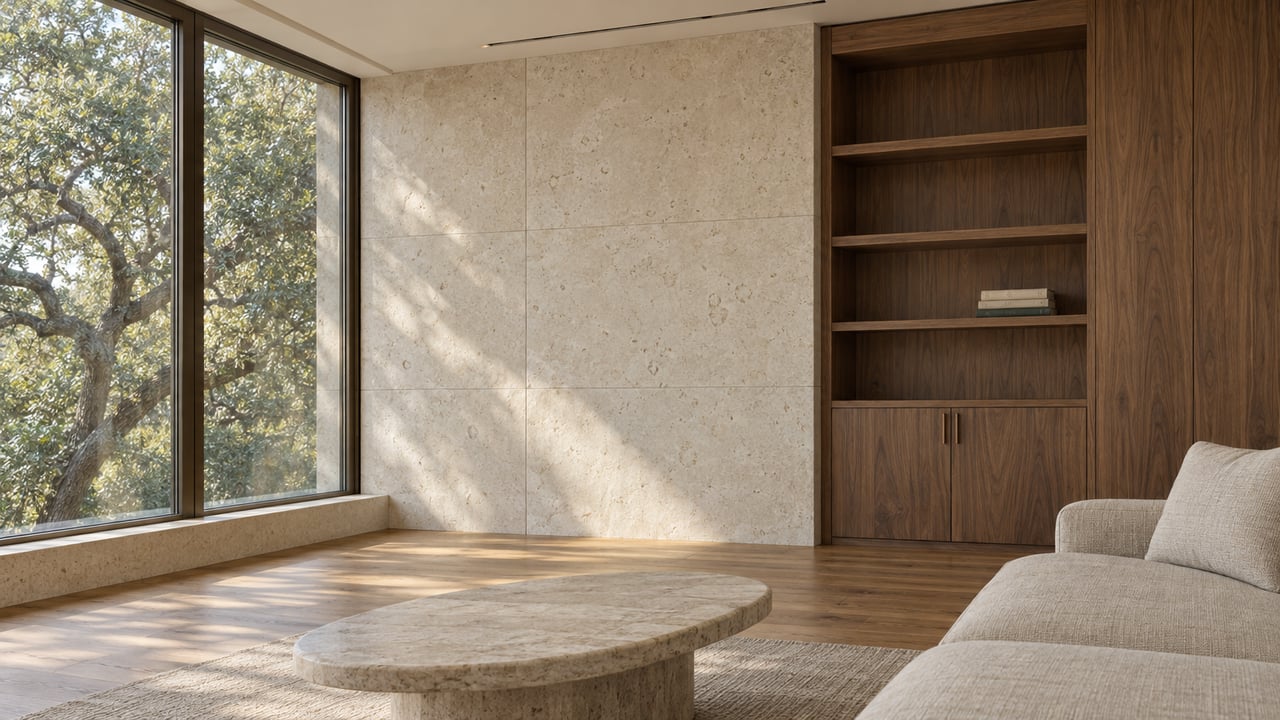
In the Museum District, wall space matters. Buyers drawn to this neighborhood often value art, books, and thoughtful interiors, so long uninterrupted walls can be more useful than extra corners or angled spaces.
As you review a plan, look for places where you could realistically put a large sofa, credenza, dining storage, or framed art. Floor plans with too many openings, odd angles, or short wall segments can limit your options more than you expect.
This is one reason a slightly more defined layout can be a strength. Recent housing commentary from the National Association of Realtors notes that while open floor plans still appeal to many buyers, privacy, noise control, and clutter management have become more important.
Compare storage honestly
Storage is one of the easiest things to overlook in a condo. Yet in a low-maintenance home, enough closet and utility space can make the difference between a calm interior and one that always feels crowded.
As you compare units, check for:
- Coat or entry storage
- Pantry space near the kitchen
- Linen storage near bathrooms
- Laundry or utility storage
- Primary closet usability
- Extra storage for luggage, seasonal items, or supplies
A beautiful open living area loses appeal quickly if everyday essentials have nowhere to go. In many Museum District condos, efficient storage supports the uncluttered, polished look buyers want.
Watch for wasted circulation
Not all square footage works equally hard. Long hallways, awkward corners, and oversized passage space can make a unit look larger on paper while reducing its real usefulness.
A strong plan tends to have clean circulation between the kitchen, living, dining, and bedrooms. You should be able to move through the home easily without furniture blocking paths or rooms feeling disconnected.
In a neighborhood built around walkable and bike-able museum zones, a compact but efficient plan often makes more sense than a larger one with wasted interior footage.
Think about light and exposure
Natural light can transform a condo, but brighter is not always better. The U.S. Department of Energy notes that window direction matters: north-facing windows often provide more even light with less glare, south-facing windows can bring winter sun but may need summer shading, and east- or west-facing windows can bring stronger morning or evening light along with more glare and heat.
That means the most dramatic view line is not always the best everyday living experience. A room flooded with late afternoon sun may look stunning during a showing, but it could feel hot or harsh during regular use.
When you review a floor plan and tour a unit, ask:
- Which direction do the main living-room windows face?
- Which direction do the primary-bedroom windows face?
- Do nearby buildings or tree canopy reduce daylight?
- Are the largest windows in the rooms where you want the most brightness?
Protect art and interiors
In a district known for major cultural institutions, many buyers care about displaying art at home. If that is true for you, evaluate the plan with both light and wall placement in mind.
The Department of Energy notes that window films, low-e coatings, shades, blinds, and curtains can help control glare and solar heat gain. It also notes that films can be useful where artwork, furniture, or carpeting could fade from UV exposure. Smithsonian conservators similarly note that direct sunlight can fade sensitive pigments.
In practice, that means the best wall for artwork is often a controlled-light wall, not the brightest wall in the condo. Look for long wall spans away from direct sun and think ahead about whether you would need window treatments as soon as you move in.
Match the layout to your lifestyle
The best Museum District condo floor plan is the one that fits your routine. A smart evaluation starts with knowing which features matter most to you.
For work-from-home living
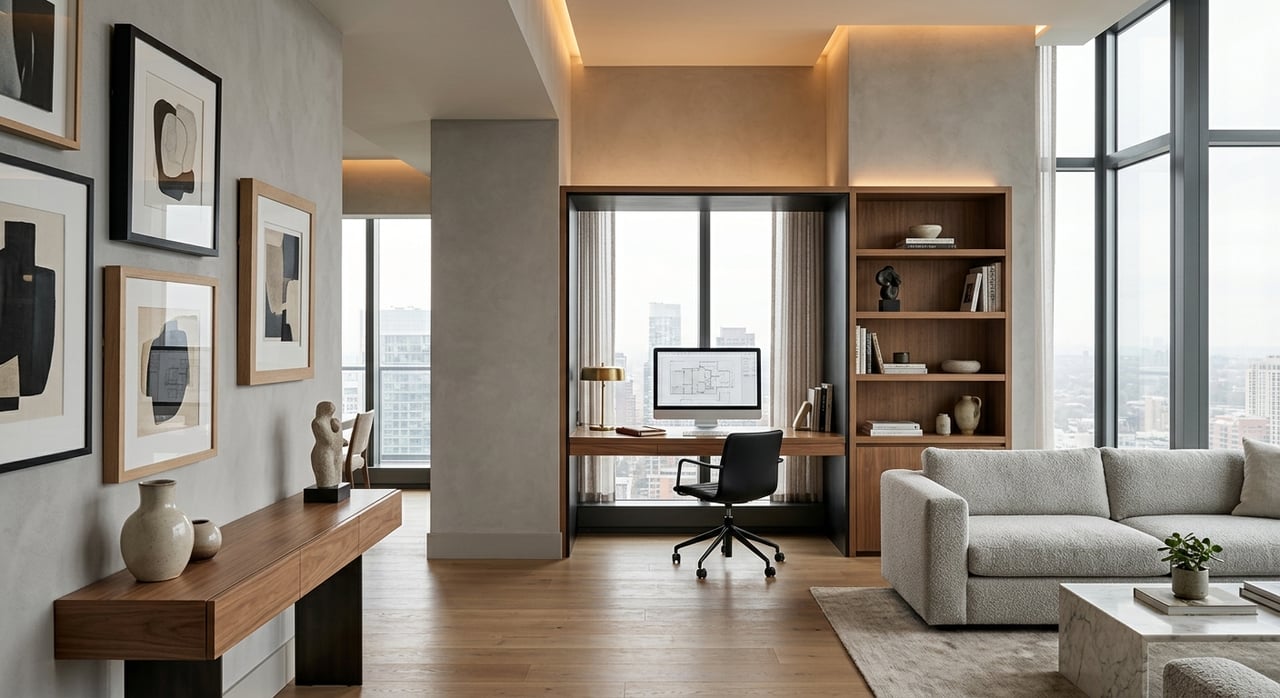
If you work remotely, separation matters. An enclosed den, a tucked-away office nook, or a quiet second bedroom may serve you better than a larger but fully open great room.
Open layouts can make noise travel and clutter more visible. If video calls, concentration, or flexible work hours are part of your routine, prioritize a plan that gives you a real boundary between work and living space.
For entertaining
If you host often, focus on flow. Many buyers prefer a strong kitchen-living-dining connection, a powder bath near the main living area, and enough wall length for furniture that does not interrupt circulation.
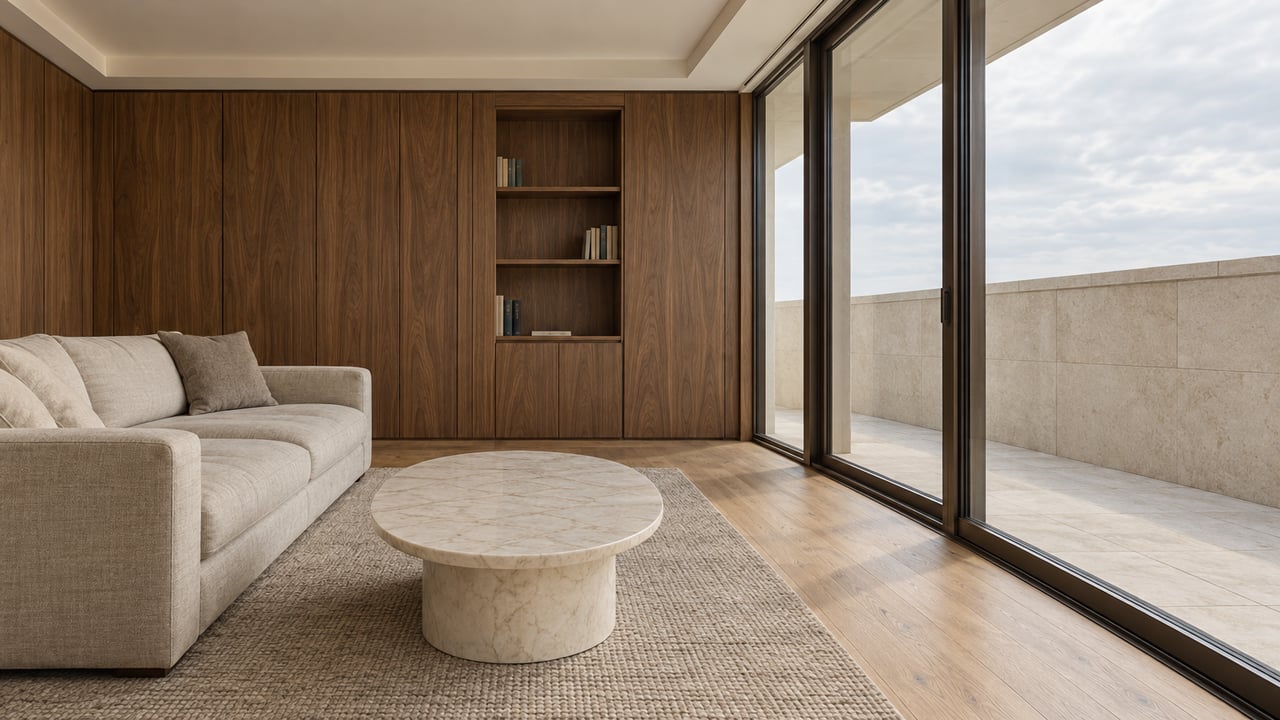
A balcony can also support entertaining, but only if it is truly usable. Some balconies are deep enough for seating or dining, while others function more as a visual feature than as real outdoor space.
For flexible living
A condo that can adapt over time often holds its appeal better. A second bedroom that can serve as an office, media room, or guest room gives you more options as your needs change.
That flexibility can be especially valuable if you split time between homes, host family occasionally, or simply want a layout that can evolve without feeling compromised.
Verify the unit, not just the plan
Two units with the same floor plan can live very differently. Stack, orientation, floor height, nearby towers, and even balcony placement can change the feel of the home.
Before you make a decision, verify:
- The exact unit orientation
- The real dimensions of key rooms
- The unit’s stack and view line
- Parking assignments
- Storage availability
- HOA rules
- Pet rules
- Whether future layout changes are allowed
It is also wise to confirm the building’s actual location and routes to the museum core, Hermann Park, METRORail, the Texas Medical Center, and Rice University. In this submarket, location within the district can shape your day-to-day experience just as much as the plan itself.
What makes a strong Museum District plan
When you step back and compare options, a strong floor plan in the Museum District often includes several of the same qualities.
Look for these good-fit signals:
- A real office or flexible room for hybrid work
- A primary suite set apart from the main living area
- Long walls for art and furniture placement
- Storage that keeps main rooms uncluttered
- Balcony or window placement that supports light without too much glare
- Efficient circulation with minimal wasted hallway space
The goal is not simply to choose the biggest condo. It is to choose the one that supports your routine, your style, and the kind of urban living that makes this neighborhood so appealing.
If you are weighing resale options or comparing new-development layouts, a careful floor plan review can reveal value that is easy to miss at first glance. For a private consultation on Museum District condo opportunities, connect with Nicole Calderon.
FAQs
How should you compare Museum District condo floor plans?
- Start by comparing entry flow, bedroom privacy, wall space, storage, natural light, and how each layout supports your daily routine.
Why does natural light matter in a Museum District condo?
- Window direction affects glare, heat, and everyday comfort, so the brightest unit is not always the easiest one to live in.
What floor plan works best for working from home in the Museum District?
- A layout with an enclosed den, a quiet second bedroom, or a separated office nook usually works better than a fully open plan.
What should art-minded buyers look for in a condo floor plan?
- Focus on long wall spans, controlled light, ceiling height, and window placement that helps protect artwork from direct sun.
What details should you verify before buying a Museum District condo?
- Confirm the exact unit orientation, room dimensions, stack, parking, storage, HOA rules, pet rules, and whether future layout changes are allowed.