Looking for a home in the Heights that gives you the ease of vertical living without losing the neighborhood’s signature charm? You are not alone. Many buyers want low-maintenance design, flexible floor plans, and newer finishes, but they also want a home that still feels connected to the Heights’ porch-lined streets and historic character. The good news is that both can exist here when you know what to look for. Let’s dive in.
Why the Heights Still Feels Like the Heights
The Heights was founded in 1891 as Texas’ earliest planned community, and that original framework still shapes the neighborhood today. Heights Boulevard remains a defining spine, and the area is still known for its human-scale streetscape rather than a wall of high-rise development.
That matters if you are considering a vertical-style home. The visual identity of the Heights is still rooted in one- and two-story homes, front porches, large windows, and traditional construction patterns. Newer homes may rise taller in some cases, but the neighborhood still reads as low-rise and residential first.
The result is a different kind of vertical living than you might expect in other parts of Houston. Here, the appeal is not height alone. It is the balance between modern convenience and a home that fits the established rhythm of the street.
Where Vertical Living Fits Best
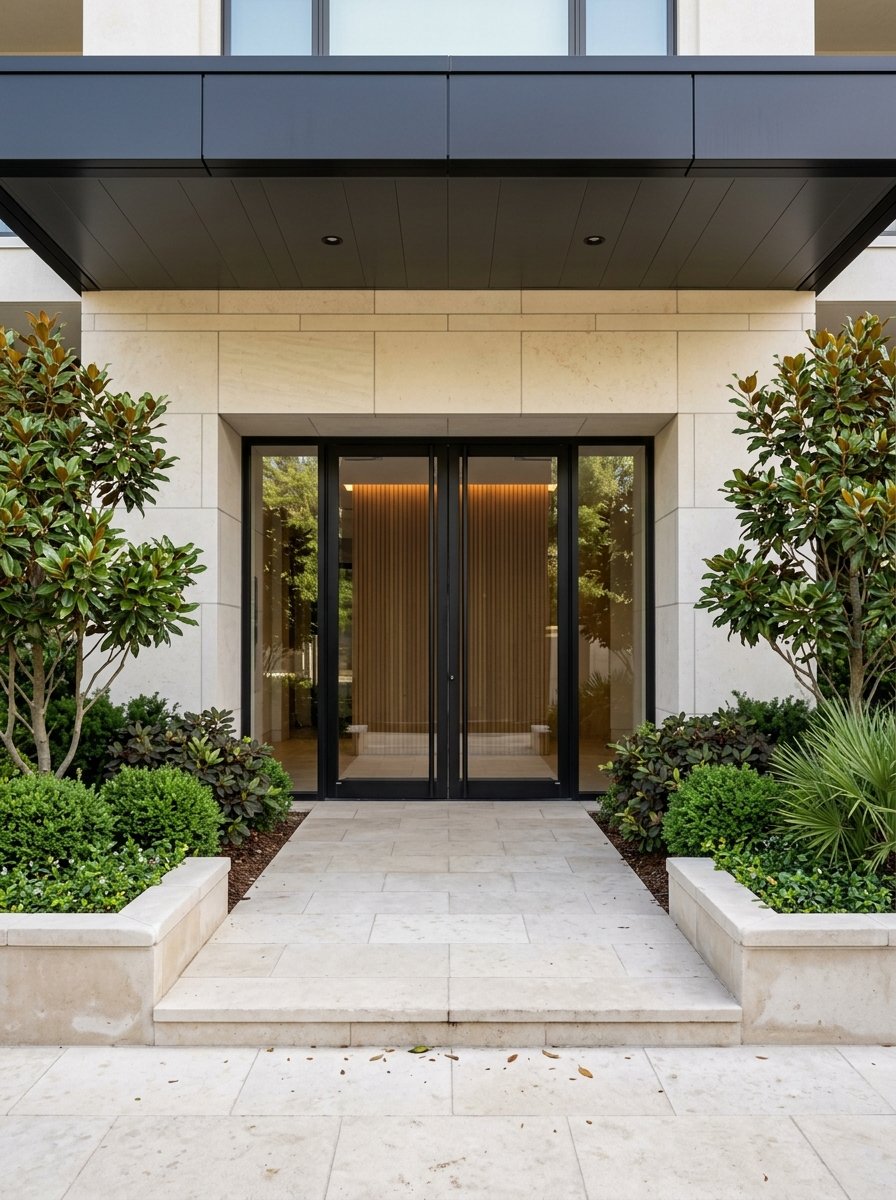
Vertical-style living exists in the Heights today, but mostly as infill rather than a complete shift in neighborhood form. In the broader Heights/Greater Heights market, you can find condominiums, townhomes, and newer three-story homes alongside long-standing bungalow and Craftsman-style properties.
Current inventory in the area has included options such as condos at White Oak Condo and Heights Abbey, along with three-story townhomes in communities like Metro Lofts/Byrne and Newer Heights T.H. Manor-Anchomes. Some newer listings are also described as elevator-ready, which shows how convenience features have become part of the local mix.
It is also important to understand that the Heights/Greater Heights market area is broader than the original historic core. It includes nearby areas such as Sunset Heights, Brooke Smith, North Norhill, Shady Acres, Woodland Heights, and Houston Heights Annex. That broader geography is often where vertical product fits more naturally, especially near active corridors and newer infill pockets.
What Buyers Want From Vertical-Style Homes
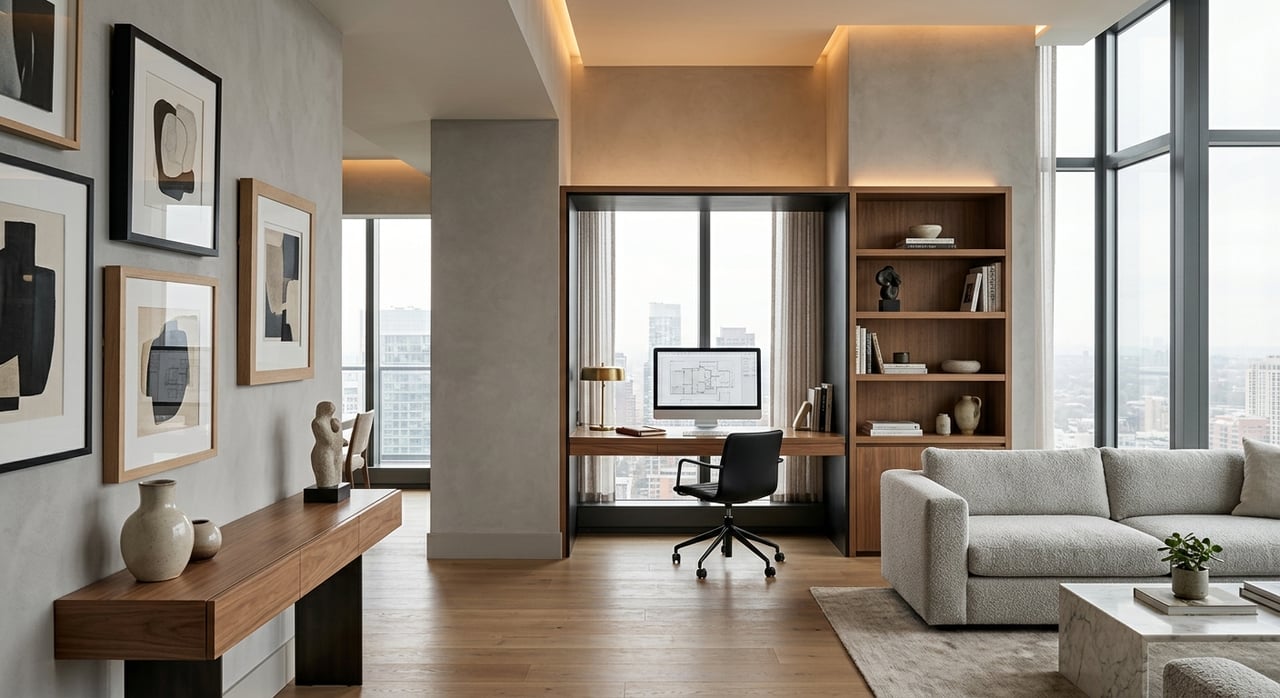
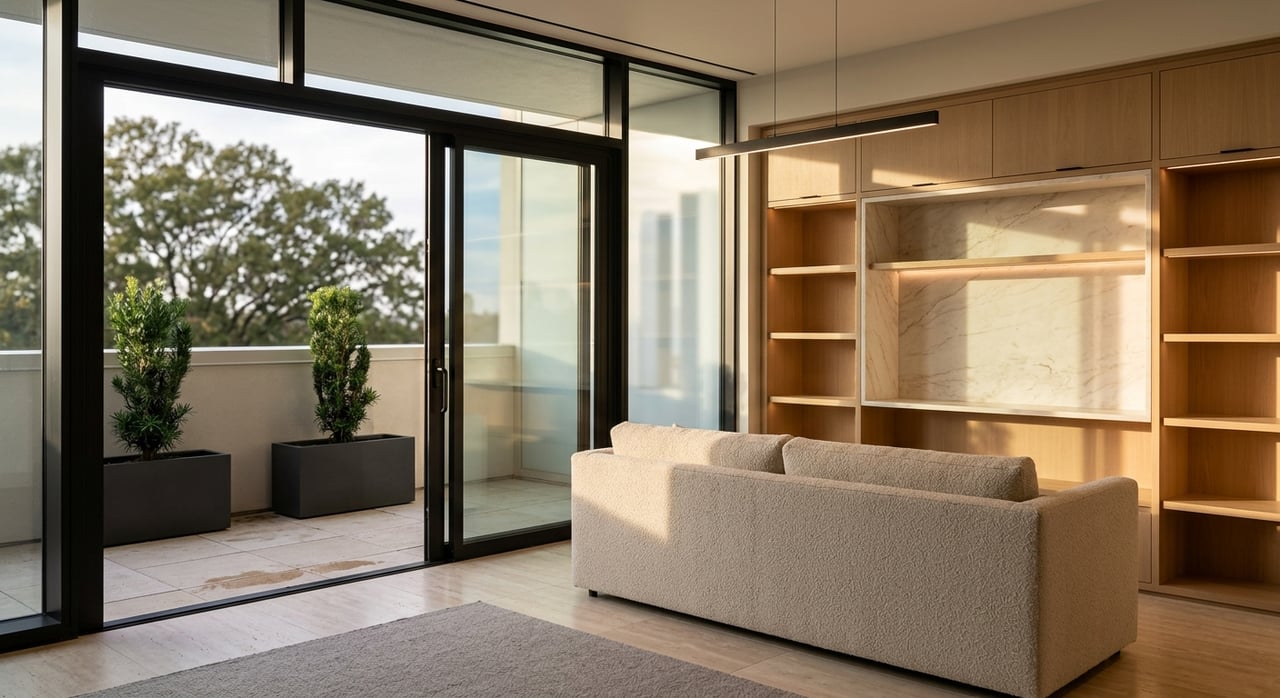
For many buyers, vertical living in the Heights is about efficiency without giving up personality. You may want newer construction, less yard work, better storage, and a layout that separates living, working, and sleeping areas across different levels.
You may also be looking for a lock-and-leave lifestyle. Houston-wide, the townhome and condo segment showed 464 sales in May 2026, with a median price of $230,000 and a 6.0% increase in active listings. That suggests buyers seeking lower-maintenance options have meaningful choices in the vertical segment.
In the Heights/Greater Heights area, April 2026 sold data showed a median price of $775,500, with 104 transactions and 10.5 days on market. That pace points to continued buyer interest, especially for homes that offer both location and lifestyle fit.
Bungalow Charm Is More Than a Style
When people talk about bungalow charm in the Heights, they are usually talking about more than architecture. They mean a feeling created by porches, modest setbacks, welcoming windows, and homes that relate to the street in a comfortable, familiar way.
The City of Houston’s historic district guidance reinforces that pattern. Typical front setbacks are about 15 to 25 feet, garages and carports are usually placed in the rear half of the lot, and side setbacks help preserve the historic rhythm between homes.
Those details shape how a home feels as you approach it. Even if a newer property is taller or more contemporary inside, it can still feel right for the Heights when it respects those traditional cues.
Design Features That Help Newer Homes Blend In
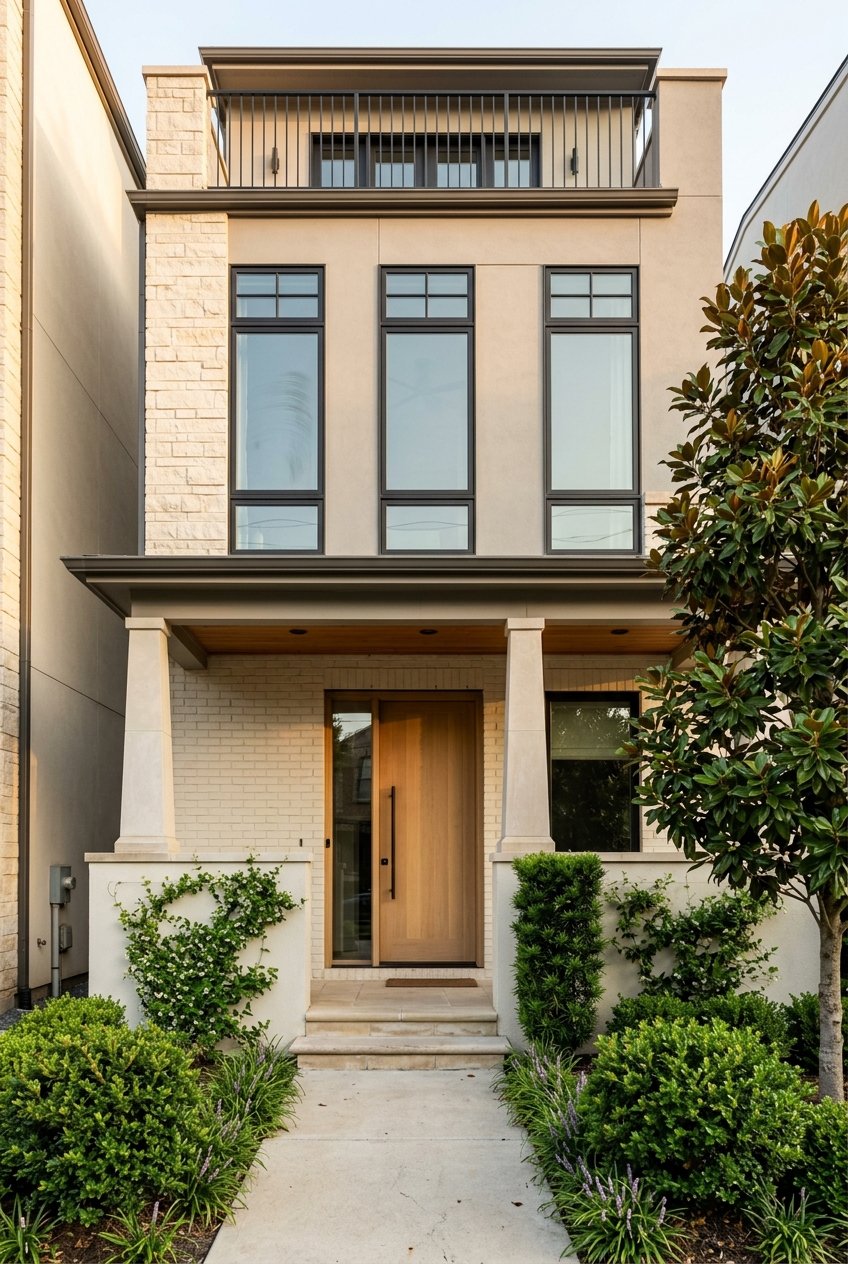
A newer vertical home does not have to fight the neighborhood to feel current. In fact, the most successful homes in the Heights often borrow from the same visual language that defines the older housing stock.
Look for features such as:
- Front porches or porch-inspired entries
- Large windows with a balanced street presence
- Rooflines and dormer details that soften height
- Garage placement that does not dominate the front façade
- Materials and proportions that feel residential rather than overly sleek
The City notes that modern buildings in the area are being built with traditional details so they blend with the surrounding neighborhood. That is the sweet spot for buyers who want a fresh interior and vertical layout while still appreciating the Heights’ established character.
Walkability Keeps Vertical Living Grounded
One reason vertical living works in the Heights is that daily life still happens at street level. The neighborhood’s historic commercial corridors make it easy to connect home, errands, and leisure in a way that feels personal rather than purely functional.
The City of Houston notes that retail historically clustered around 19th Street west of Heights Boulevard, with additional development along 11th and 20th Streets. Today, walkable nodes in Greater Heights continue to stand out, including W 20th Street and Ashland Street with a Walk Score of 91, Heights Boulevard and W 10th Street at 88, and West 11th Street and Nicholson Street at 86.
For you as a buyer, that can mean a lifestyle built around coffee runs, neighborhood shops, and easy strolls between residential blocks and local commercial pockets. A vertical home may give you lock-and-leave ease, but the setting still supports the slower, more connected feel many people love about the Heights.
The Boulevard Still Anchors Neighborhood Life
Heights Boulevard remains one of the neighborhood’s signature assets. The Houston Heights Association describes the 60-foot esplanade as a landscaped public realm with live oaks, a jogging trail, flowerbeds, and parks including Marmion and Donovan.
That kind of green space adds something important to the vertical living conversation. It helps newer housing feel less detached from the traditional neighborhood experience. Even if your home has multiple levels and modern finishes, your day-to-day routine can still include walks under mature trees and time spent in public spaces that have long defined the Heights.
What to Know About Historic District Rules
If you are buying in or near one of the historic districts, charm is not just cultural. It is also protected through review and compatibility standards. The City of Houston requires a Certificate of Appropriateness for exterior work in the historic districts, and changes generally need approval in advance.
That is important if you are considering renovations, additions, or alterations after purchase. Not every exterior update can be made freely, even if the home is already standing.
The Heights also includes deed restrictions that may vary from block to block. According to the Houston Heights Association, these are private agreements recorded in Harris County. If you are comparing properties, it is wise to understand not just the home itself, but also the rules that may shape what can happen next.
How to Evaluate a Vertical Home in the Heights
Not every vertical-style home will deliver the same experience. In this neighborhood, the right fit usually comes down to both design and placement.
As you compare options, focus on these questions:
- Does the home relate well to the street?
- Are the entry, windows, and setbacks in keeping with nearby homes?
- Is the garage placement visually balanced?
- Does the location sit near walkable corridors or green space?
- If the property is in a historic district, what approvals may affect future exterior work?
These details can help you separate a home that simply adds height from one that truly fits the Heights lifestyle.
Why This Niche Needs Specialized Guidance
Buying a vertical-style home in the Heights is more nuanced than choosing between old and new. You are really evaluating design compatibility, block-by-block context, walkability, resale appeal, and any rules tied to the property.
That is where experienced guidance matters. When you understand how vertical product fits into the broader Heights market, you can buy with more confidence and avoid surprises later.
If you are exploring condos, townhomes, or newer infill homes in central Houston, a consultative approach can help you narrow the field quickly and focus on properties that match both your lifestyle and the neighborhood’s character. To schedule a private consultation, connect with Nicole Calderon.
FAQs
Where does vertical living fit best in the Heights?
- Vertical living tends to fit best in the broader Heights/Greater Heights area and near active commercial corridors, rather than as a uniform replacement on historic residential blocks.
Can a newer townhome still feel like the Heights?
- Yes. A newer townhome or infill home can feel true to the neighborhood when it uses familiar design cues such as porches, balanced windows, traditional rooflines, and street-friendly setbacks.
Are there rules for exterior changes in Heights historic districts?
- Yes. In Heights historic districts, exterior work generally requires advance approval through the City of Houston’s Certificate of Appropriateness process.
What makes the Heights different from other vertical-living areas in Houston?
- The Heights stands out because it combines low-rise neighborhood character, historic streetscapes, walkable commercial pockets, and public green space with a growing mix of condos, townhomes, and infill homes.
Is the Heights/Greater Heights market area the same as the historic Heights core?
- No. The Heights/Greater Heights market area is broader and includes adjacent areas such as Sunset Heights, Brooke Smith, North Norhill, Shady Acres, Woodland Heights, and Houston Heights Annex.
What should buyers look for in a vertical-style home in the Heights?
- Buyers should look at how the home fits the street, whether its design respects neighborhood patterns, how close it is to walkable nodes or green space, and whether any historic district rules or deed restrictions may affect future plans.